The world of connected vehicles and moving assets is evolving rapidly, and telematics has become a cornerstone of modern fleet management, logistics, and asset tracking. At the heart of these systems are IoT SIM cards, which provide the reliable, always-on connectivity needed for real-time monitoring and data transmission.
By enabling devices to communicate seamlessly across regions and networks, telematics solutions help businesses track performance, location, and operational metrics continuously. Understanding how telematics works and the role of IoT SIMs is essential for organizations looking to optimize their fleets, reduce costs, and unlock actionable insights from their connected devices.
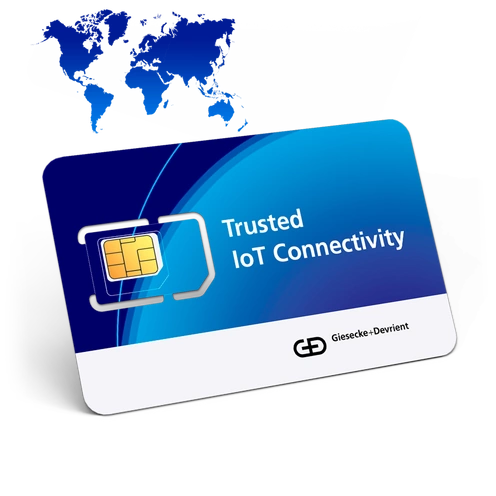
Reliable IoT connectivity built for scale
From small deployments to global rollouts, our IoT SIM cards provide secure, multi-network access and long-term stability. Benefit from centralized management, flexible connectivity options, and infrastructure designed specifically for IoT applications.
What is telematics?
Telematics combines telecommunications and informatics to collect, transmit, and analyze data from vehicles and mobile assets. It enables real-time tracking of location, speed, usage, and diagnostics, providing businesses with actionable insights into fleet performance and asset utilization.
Beyond simple GPS tracking, telematics integrates sensors, connectivity, and software platforms to monitor driver behavior, maintenance needs, and operational efficiency. By connecting vehicles or equipment to cloud systems via cellular networks, telematics transforms raw data into intelligence that supports decision-making, cost reduction, safety improvements, and predictive maintenance, making it a critical tool for modern fleet and asset management.
How telematics systems work
Telematics systems combine hardware, software, and connectivity to provide real-time monitoring of vehicles and mobile assets. At the device level, sensors collect data on location, speed, fuel usage, engine performance, and operational status. GPS modules track precise movement, while accelerometers and other sensors capture driving behavior or environmental conditions.
This data is transmitted via cellular networks to a central platform, where software aggregates, analyzes, and visualizes the information. Operators can access dashboards or mobile apps to monitor fleets, receive alerts, and generate reports. Advanced telematics platforms also enable predictive maintenance, automated compliance reporting, and integration with enterprise systems, transforming raw telemetry into actionable insights that improve efficiency, reduce costs, and enhance safety.
The role of IoT SIM cards and connectivity in telematics
Reliable connectivity is the backbone of any telematics system, and IoT SIM cards ensure devices remain online across regions and networks. These SIMs provide secure, always-on cellular access, enabling sensors to transmit data continuously in real time.
With multi-network or eSIM options, IoT SIMs can switch carriers automatically to maintain coverage, avoiding gaps in tracking. For fleets operating globally, this flexibility is critical for uninterrupted operations and data integrity.
IoT SIM cards also simplify large-scale deployment and management, allowing companies to monitor hundreds or thousands of assets without manual SIM swaps, reducing costs and operational complexity while supporting scalable telematics solutions.
Key telematics use cases
- Dashcams: Telematics systems with connected dashcams capture real-time video footage of vehicles, improving safety, driver accountability, and incident documentation.
- Vehicle Tracking: GPS-enabled telematics allows businesses to monitor fleet location, optimize routes, and respond quickly to delays or emergencies.
- Asset Tracking: Mobile assets like containers, equipment, or rental machinery can be tracked continuously, ensuring visibility and reducing loss or downtime.
- Logistics: Telematics supports supply chain management by monitoring deliveries, optimizing transportation efficiency, and providing real-time updates to operators and customers.
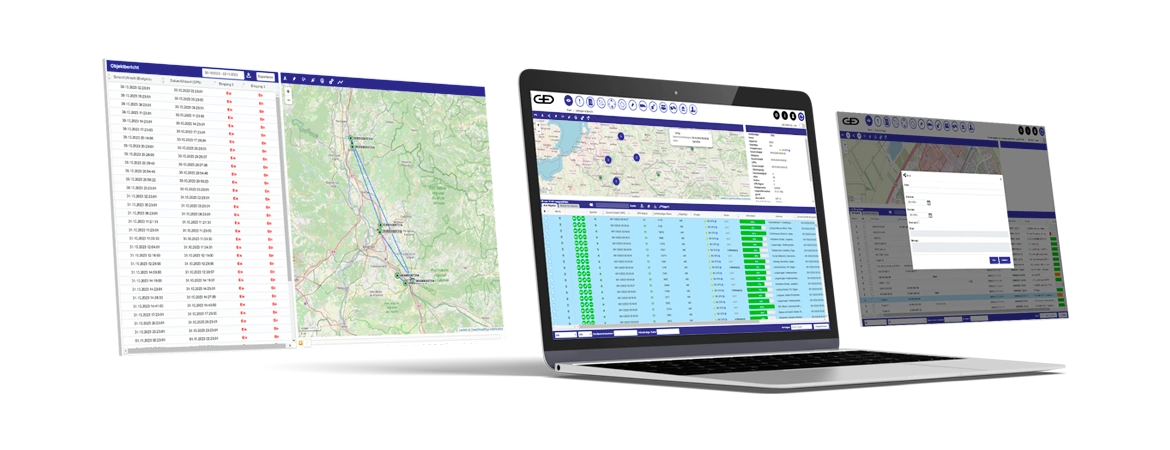
Asset tracking solutions combining IoT SIM cards and connected devices enable real-time visibility across supply chains, helping businesses monitor high-value assets with minimal manual effort.

Smart IoT asset tracking for complete visibility
From individual assets to large-scale logistics operations, our IoT asset tracking devices provide reliable, real-time insights into the location, movement, and status of your assets, whether in use, in transit, or idle. Benefit from advanced tracking technology, seamless connectivity, and solutions designed to improve security, efficiency, and asset utilization.
Key benefits of telematics
- Improved operational efficiency: Real-time data helps optimize routes, reduce idle time, and streamline fleet operations.
- Cost reduction: Monitoring fuel consumption, maintenance needs, and driver behavior lowers operational expenses.
- Enhanced safety: Alerts for harsh driving or unsafe conditions help prevent accidents and protect drivers.
- Predictive maintenance: Data-driven insights allow proactive servicing, reducing downtime and repair costs.
- Regulatory compliance: Automated logging of hours, usage, and vehicle diagnostics simplifies reporting.
- Better decision-making: Actionable analytics from connected assets enable smarter, faster strategic and operational decisions.
Choosing the right IoT SIM card for telematics
Selecting the right IoT SIM card is critical to ensuring reliable and continuous telematics connectivity. Evaluate the coverage your fleet or assets require: domestic, regional, or global. Look for SIMs that support multiple networks or eSIM functionality to maintain connectivity even when traveling across different carriers or borders.
Data plans should align with your devices’ needs, accounting for real-time tracking, dashcam uploads, and sensor data. Over- or underestimating usage can lead to unexpected costs or service interruptions.
Finally, prioritize reliability and security, ensuring the SIM can handle frequent transmissions without dropping connections and that it includes secure authentication to protect sensitive fleet or asset data. Choosing the right IoT SIM card ensures your telematics system delivers accurate, uninterrupted insights, keeping your operations efficient and responsive.
Get started with IoT SIM cards for telematics
Ready to keep your fleet and assets connected with reliable, real-time monitoring? Explore our IoT Shop to browse IoT SIM cards and flexible data plans or learn more about our asset tracking solutions and request a quote tailored to your needs.
Whether you’re managing vehicles, equipment, or mobile assets, our solutions make it easy to deploy, scale, and maintain connectivity across regions.